

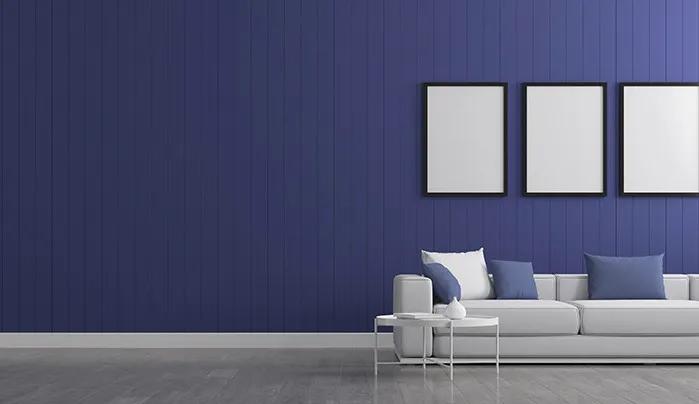
Before furniture or decor is observed, light defines the feeling of a room. A sunny atmosphere is open and inviting, whereas a gloomy one can be oppressive. The surface finishes determine the behavior of light in interiors. Here, Lucida Laminates would be a viable option. Their reflective surface increases brightness without altering the structure. When homeowners choose Laminate to be used as an interior, it is necessary to comprehend the interaction of light.
Understanding The Role Of Surface Reflection:
The reflection of light is highly dependent on the finish of the material. Matte surfaces absorb light, softening shadows, but decreasing brightness. Gloss finishes are light reflective, which means that the light can travel farther in the room. Lucida Laminates are made to maximise this reflective property by a smooth, polished surface.
Natural or artificial light that hits these panels does not focus on a single point but spreads out. This produces equal lighting in the space. Selecting the appropriate Laminate to use on interior surfaces will make sure that brightness is used to promote comfort and not glare. The process of reflection must be purposeful.
Enhancing Natural Light Distribution:
Small window rooms tend to have poor lighting. Dark interiors and shaded panels may cause interiors to look smaller than they are. Lucida Laminates are used to enhance this situation by increasing daylight. Their reflective surface enables the sunlight to be evenly distributed over cabinets and vertical panels.
The perception of depth also increases as the brightness increases. Walls are made to look lighter, and storage units are less imposing. This is a practical benefit to homeowners who consider Laminate when it comes to interior renovations. Surface reflection is used to increase the light sources rather than to add more fixtures.
In favor of Artificial Lighting Efficiency:
Glossy finishes also react differently to artificial lighting. Wall fixtures and overhead lights provide small highlights in combination with reflective panels. Lucida Laminates react by spreading light over adjacent surfaces, minimising extreme contrasts.
This effect assists in keeping the visual balance in the evening. Rooms are not darkened and do not look too intense. In choosing Laminate to be used in interior, it is important to consider the performance of materials in artificial lighting so that the ambience is the same all day long. Balanced reflection helps in comfort at work and rest.
Designing Space in Small Houses:
Small layouts demand a selection of materials. Dark colors have the ability to absorb light and shrink visual space. Lucida Laminates add a smooth surface that visually enlarges interiors by reflection.
Brightness is enhanced naturally when applied to cabinetry and storage panels. The edges are sharper, and the panels are lighter in the room. This visual openness is an improvement that makes it more comfortable without changing the layout. To the people who prefer Laminate to upgrade their interiors in small houses, reflective surfaces are directly related to the clarity of space and better perception.
Visual Consistency between Panels:
Light reflection is most effective when surfaces are uniform. Lumpy finishes may interfere with the circulation of light. Lucida Laminates are consistent in their shine on a variety of panels, so there is continuity in kitchens and living rooms.
This uniformity enables light to flow freely across different parts. The general outcome is structured and organised. Surface uniformity is a factor when homeowners consider Laminate as an interior material. The aesthetic harmony and visual discipline are supported by balanced reflection.
Less Visual Clutter by Controlled Shine:
Gloss surfaces should be able to increase brightness without blinding the eye. Too much glare may be uncomfortable. Lucida Laminates are controlled to reflect using a refined finish that makes highlights soft without losing clarity.
This restraint makes the brightness agreeable and not distracting. Rooms are lively but calm. The choice of Laminate to use as interior panels depends on the knowledge of this balance. Reflection must uplift the surroundings and not focus on the surface itself.
Long Term Surface Performance:
The effect of light reflection is only effective when the surface is clear over time. Quickly dulling materials decreases the total brightness. Lucida Laminates are made to retain a polish with regular maintenance, which retains reflective efficiency.
Frequent cleaning maintains the panels clean and sensitive to light. This longevity means that interiors still feel bright months after installation. To homeowners who invest in Laminate in interior projects, long-term stability of the surface helps in safeguarding the visual appeal and emotional fulfillment.
An Organized System Of Interior Light:
Enhancing light reflection does not involve increasing light. It is concerned with the utilisation of materials that spread light smartly. Lucida Laminates are used to improve interiors by directing light over surfaces in a consistent and controlled manner.
Their smooth surface adds to transparency, clarity, and a harmonious atmosphere. Whenever homeowners make wise decisions about the laminate to use in interior applications, they determine the way rooms will be experienced on a daily basis. Brightness is a design feature and not an afterthought.
In conclusion, reflective surfaces influence mood, perception, and spatial comfort. Lucida Laminates show how gloss finishes can be structured to enhance the brightness of interiors in a natural way. Lucida Laminates by CenturyLaminates offer a reliable performance and elegant appearance to those who want to be sure of their interior requirements in accordance with modern standards.