

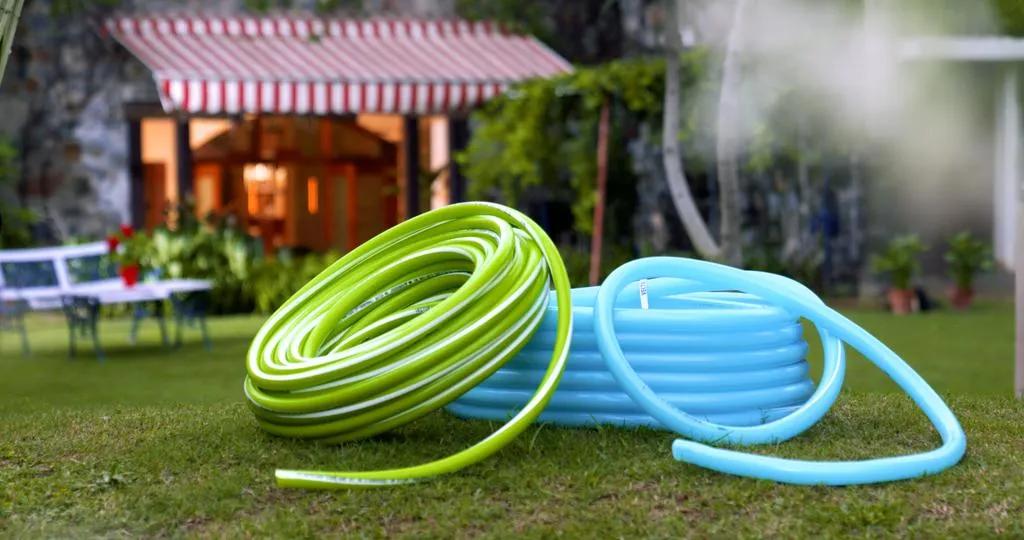
A well-maintained garden irrigation system plays an important role in keeping plants healthy and outdoor spaces looking their best. Whether you use water for watering flowers, cleaning pathways, or maintaining a lawn, the condition of your piping system directly affects efficiency and water conservation. Unfortunately, leaks, cracks, and other forms of damage are common issues that can lead to water wastage and unnecessary expenses.
By understanding the causes of damage and following a few preventive measures, homeowners can extend the lifespan of their irrigation equipment and ensure reliable performance throughout the year.
Common Causes of Pipe Damage
Outdoor watering systems are exposed to a variety of environmental conditions that can affect their durability over time. Identifying these factors is the first step toward preventing problems.
Some common causes include:
Prolonged exposure to sunlight
Extreme temperature changes
Excessive water pressure
Improper storage practices
Physical damage from sharp objects
Twisting and kinking during use
Regular inspections can help detect early signs of wear before they develop into larger issues.
Choose Quality Materials
The quality of the piping system significantly impacts its longevity. Investing in durable materials designed for outdoor use can help reduce the likelihood of leaks and structural damage.
A high-quality water pipe for garden applications is typically manufactured using strong and flexible materials that can withstand changing weather conditions. Such products are less likely to crack, split, or deteriorate when exposed to regular use.
Selecting reliable products from trusted manufacturers can provide better long-term performance and lower maintenance requirements.
Protect Pipes from Sun Exposure
Constant exposure to direct sunlight can weaken outdoor piping systems over time. Ultraviolet rays may gradually affect the material, leading to fading, brittleness, and cracking.
To minimize UV-related damage:
Store pipes in shaded areas when not in use
Use protective covers where possible
Avoid leaving equipment exposed for extended periods
Choose UV-resistant products designed for outdoor environments
Proper protection helps maintain flexibility and extends service life.
Avoid Excessive Water Pressure
High water pressure can place unnecessary stress on watering equipment and increase the risk of leaks. Over time, excessive pressure may weaken joints, fittings, and pipe walls.
To prevent pressure-related issues:
Use pressure regulators when necessary
Avoid fully opening water flow if not required
Regularly inspect connectors and attachments
Check for signs of bulging or strain
Maintaining appropriate pressure levels helps protect the entire system from premature wear.
Prevent Kinks and Twists
One of the most common causes of damage is improper handling during use. Frequent twisting, bending, or pulling can weaken the structure and eventually create weak points.
A properly maintained garden hose pipe should always be laid out smoothly before use. Avoid dragging it around corners or allowing it to become tangled.
Simple habits such as coiling the pipe neatly after use can significantly reduce stress on the material and prevent unnecessary damage.
Store Properly After Use
Proper storage is essential for extending the lifespan of outdoor watering equipment. Leaving pipes scattered across the ground can expose them to weather, foot traffic, and accidental damage.
Good storage practices include:
Draining water before storage
Rolling pipes neatly
Using hose reels or holders
Keeping equipment away from sharp tools
Storing in dry and shaded locations
These simple measures help maintain the structural integrity of the system and reduce maintenance needs.
Inspect Connections Regularly
Leaks often occur at connection points rather than along the pipe itself. Loose fittings, worn washers, or damaged connectors can cause water loss and reduced efficiency.
Regularly inspect:
Tap connections
Couplings
Spray nozzles
Valves
Washers and seals
Replacing small components at the first sign of wear can prevent larger problems from developing later.
Protect Against Physical Damage
Outdoor equipment frequently encounters physical hazards such as gardening tools, lawn mowers, vehicles, and heavy objects. Even minor impacts can weaken the material and increase the risk of leaks.
When using a water pipe for garden maintenance, ensure that it is positioned away from areas with heavy movement or machinery. Taking a few precautions can help avoid accidental punctures and cuts.
Being mindful of the pipe's location during gardening activities can significantly improve its durability.
Keep the Interior Clean
Over time, dirt, sediment, and debris may accumulate inside watering systems. These deposits can affect water flow and place additional strain on fittings and connectors.
To maintain optimal performance:
Flush the system periodically
Remove blockages promptly
Clean nozzles and attachments
Check for sediment buildup
Regular cleaning ensures smooth water flow and helps prevent pressure-related damage.
Seasonal Maintenance Matters
Changing weather conditions can impact outdoor watering systems. Hot summers, heavy rains, and colder temperatures each present unique challenges.
A garden hose pipe should be inspected at the beginning and end of every season. Look for signs of cracking, stiffness, discoloration, or leaks.
Seasonal maintenance allows homeowners to identify minor issues early and perform repairs before they become costly replacements.
Know When Replacement Is Necessary
Even with proper care, no watering system lasts forever. Over time, materials naturally wear down due to regular use and environmental exposure.
Signs that replacement may be needed include:
Frequent leaks
Visible cracks
Reduced flexibility
Persistent kinking
Difficulty maintaining water flow
When these problems become common, replacing the damaged section or upgrading the entire system may be the most practical solution.
A reliable water pipe for garden use can provide years of dependable performance when properly maintained.
Conclusion
Preventing leaks and damage in outdoor watering systems does not require complicated maintenance. Simple practices such as proper storage, regular inspections, pressure control, and protection from sunlight can significantly extend product lifespan.
A well-maintained garden hose pipe helps reduce water wastage, improves efficiency, and supports healthy garden care. By investing time in routine maintenance and addressing small issues early, homeowners can enjoy a dependable watering system for many years while keeping repair costs to a minimum.