

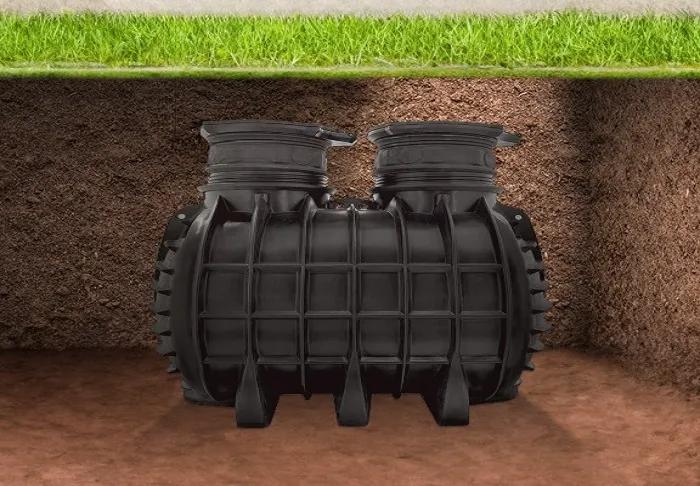
Water storage becomes especially important when the regular supply is limited or unpredictable. However, finding enough space for a large storage unit can be difficult, particularly in homes where terraces and utility areas are already being used. An underground setup offers a way to store water without taking up valuable visible space.
An underground water tank is installed below ground level and can provide substantial storage while keeping the surface area available for other household uses. However, efficient storage depends on more than simply placing a tank underground. Capacity, location, construction, accessibility, and maintenance all need to be considered before installation.
Why Consider Underground Storage?
The biggest advantage of underground storage is the efficient use of space. Once installed, the tank remains below the surface, leaving the area above it available for other purposes.
This can be particularly useful for homes with limited outdoor space. Instead of dedicating a large visible area to water storage, homeowners can use an existing underground section or plan a suitable location during construction.
Another benefit is that the stored water is less exposed to direct sunlight compared with an outdoor installation. The surrounding conditions, however, will depend on the depth, soil, and design of the installation.
Decide How Much Water You Need
Capacity should be one of the first decisions. A tank that is too small may not provide enough water during supply interruptions, while an oversized tank can increase installation requirements and costs.
Start by estimating the household's regular water consumption. Consider the number of people living in the home and daily activities such as bathing, washing, cooking, and cleaning.
Also think about how frequently the water supply is available. If supply interruptions are common, additional storage capacity may be useful.
For households comparing water storage tanks for home, the ideal capacity should be based on actual usage rather than simply selecting the largest available model.
Select the Location Carefully
The location of an underground tank requires more planning than an above-ground installation. There should be enough space for the tank itself as well as the excavation and installation process.
The surrounding soil and site conditions should also be assessed. The location should not interfere with existing structures, utility lines, drainage systems, or other important areas of the property.
Access is another consideration. Although the tank remains underground, it should still be possible to reach the relevant parts for inspection, cleaning, or maintenance.
Consider the Construction
The tank's construction plays an important role because it needs to withstand the conditions around it. Underground installation exposes the tank to soil pressure and other external forces.
Choose a product designed specifically for underground use and follow the manufacturer's installation recommendations.
Material quality, structural design, and manufacturing standards can all influence long-term performance. A tank should be selected based on its intended application rather than assuming that every storage product is suitable for underground installation.
Think About the Tank's Shape and Size
The physical dimensions of the tank matter along with its capacity. The available underground area may have limitations that affect which shape or size can be installed.
Before purchasing, measure the proposed location and understand how much excavation will be required.
A properly planned installation should leave enough room for safe positioning and any necessary connections. Trying to fit a tank into a space that is too small can create problems during installation and future maintenance.
Plan the Water Inlet and Outlet
An underground storage system needs suitable connections for filling and using the stored water. The inlet and outlet arrangement should be planned before installation.
The positioning of these connections can affect how easily the system can be accessed and maintained later.
It is useful to plan the complete water flow system in advance, including where water enters the tank, how it is transferred for household use, and where overflow water will go.
Think About Water Quality
The quality of the stored water can be affected by the condition of the tank, the cleanliness of the system, and how the water is handled.
A tank intended for household water storage should be made from suitable material. It should also be cleaned periodically according to the manufacturer's recommendations.
Keeping the access point properly covered and preventing contaminants from entering the storage system can further support good storage practices.
Consider Installation and Site Preparation
Proper installation is essential for underground storage. The excavation, foundation or bedding, positioning, connections, and backfilling need to be handled according to the tank's specifications.
The surrounding soil should provide appropriate support without putting excessive pressure on the tank.
For this reason, professional installation can be useful, particularly when the site has complex conditions or when the tank is being installed during new construction.
Make Efficient Use of Available Space
One of the main reasons to choose underground storage is to keep the surface area free. The space above the tank can potentially be used for landscaping, pathways, parking, or other household purposes, depending on the installation design.
This makes an underground water tank a practical option for properties where visible storage is inconvenient.
However, the surface should only be used according to the installation specifications. The tank's location and depth should be considered before placing heavy structures or loads above it.
Choose Based on Long-Term Requirements
An underground tank is not something most homeowners want to replace frequently. Therefore, the decision should take long-term requirements into account.
Compare capacity, material, construction, installation needs, maintenance access, warranty, and manufacturer support before making a purchase.
For homeowners considering water storage tanks for home, selecting a product that matches both present and expected future requirements can make the investment more practical.
Final Thoughts
An underground water tank can provide an efficient way to store water while keeping valuable surface space available. Its success, however, depends on careful planning.
From selecting the right capacity and location to ensuring suitable construction, connections, access, and maintenance, every part of the setup matters. When these factors are considered together, underground storage can become a practical part of a home's water management system.
Before installation, understand the site conditions and product requirements clearly. A well-planned system can provide convenient storage while making better use of the space available around the home.