

What should you do when a motorcycle starts gaining speed as the road drops? Gravity pulls the bike downhill while braking shifts weight towards the front wheel. Add a bend, loose stones or rain and the rider has to deal with several changes at once. Set the speed early and keep the bike under control. This article covers how to choose a gear, use both brakes, approach bends and handle changes in the road.
Slow Down Before the Slope
Reduce speed before the motorcycle reaches the descent. The bike is easier to manage on flatter ground, with time to react to traffic or a rough patch.
Look well ahead and leave a gap from the vehicle in front. A car may slow near a bend, junction or damaged section.
Choose a Lower Gear
A lower gear lets the engine help hold the motorcycle back. This helps on a long slope because the brakes do not have to control every metre.
Change gear before the difficult section starts and release the clutch smoothly. Holding the clutch in removes engine braking, so the brakes have to control most of the speed.
Use a gear that keeps the bike at a manageable speed. Use the owner's manual for gear choice and engine limits.
Use Both Brakes Carefully
The front brake provides much of the stopping force as weight moves forward during braking. The rear brake still helps, although the rear wheel carries less load.
Apply the front brake progressively and use the rear brake with steady pressure. Avoid a sudden squeeze on the lever or a sharp press on the rear pedal. Too much rear brake can lock the wheel.
Do not keep strong brake pressure throughout the descent. Use engine braking to help control speed, then brake when you need to slow further.
Brake Before the Bend
Try to reduce most of your speed before the motorcycle enters a bend. While turning, the tyres also need grip to change direction. Carrying too much braking into the corner can make the bike harder to control.
Look through the bend and choose a speed you can maintain. If you need to brake while turning, do it gradually and avoid sudden steering movements.
Watch the Road Surface
A downhill road can have loose gravel, wet leaves, mud, potholes and metal covers. These surfaces can reduce grip.
Watch for:
loose stones or sand
broken tarmac and potholes
wet leaves or mud
painted lines and metal covers
drains and raised surfaces
parked vehicles or oncoming traffic
Spot poor surfaces early and slow down before reaching them. Avoid heavy braking while crossing loose or slippery ground.
Keep Your Body Stable
Support your body with your legs and hold the handlebar firmly. Do not put your full weight onto the bars while braking.
Keep your head up and look towards the part of the road you want to use. Large steering movements can disturb the motorcycle when grip is limited. On uneven ground, guide the bike with small control inputs.
Allow More Space in Wet Weather
Rain reduces grip. Leaves, paint and metal can also become slippery when wet. Leave a larger gap from traffic and begin slowing earlier. Use smooth brake pressure and avoid sudden changes in direction. A downhill slope can increase stopping distance, especially in wet conditions.
Check the Bike Before You Ride
Before a long descent, check the parts that affect braking and handling.
Check brake fluid and look for leaks.
Inspect the brake pads and discs.
Check tyre pressure against the manufacturer's figure.
Look for cuts or damage on the sidewalls.
Test the brake lever and rear pedal.
Check the chain and other controls.
Secure luggage within the recommended load.
A soft brake lever, damaged tyre or fluid leak needs attention before riding.
Practise the Technique
Learn downhill control on a quiet road with a mild slope and clear visibility. Start slowly and select a lower gear before the bike gathers speed.
Practise using both brakes with smooth pressure. Pay attention to how the motorcycle loads during braking.
Do not use a busy public road for emergency braking practice. Choose a place with enough space.
Understand the Motorcycle's Systems
ABS and other electronic systems can affect braking behaviour. Read the owner's manual and learn what is fitted to your motorcycle before changing any setting.
ABS can help reduce wheel lock during hard braking, but it cannot add grip to a slippery road. Road surface, speed and rider input still affect stopping distance.
Learn how the brakes and engine braking feel during normal riding before dealing with a long downhill section.
Know the Bike Before a Downhill Ride
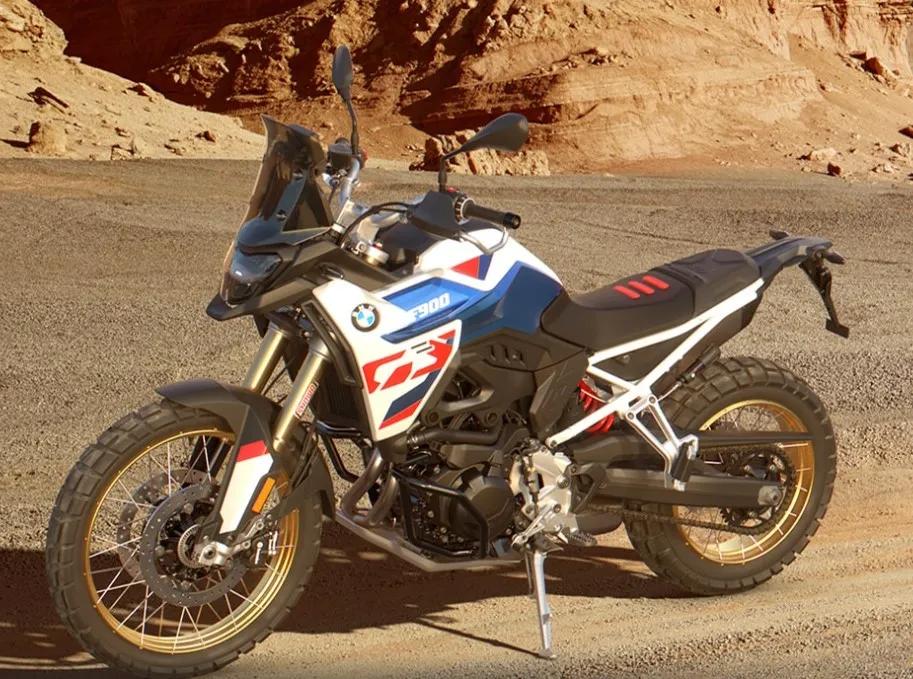
Before riding on a difficult slope, check the motorcycle carefully. For the BMW F900GS, check the equipment fitted to your version, including the braking and electronic settings. Use the owner's manual for correct operation. Check the tyres, brakes, suspension and luggage before leaving. Equipment can differ between versions.
Conclusion
Set the speed before the slope, choose a lower gear early and use both brakes with controlled pressure. Look ahead for bends, traffic and poor road surfaces so you have time to react. These points apply to an adventure bike as well as other motorcycles on downhill roads. Check the bike before riding, leave enough stopping space and keep your movements smooth until the road becomes level.