

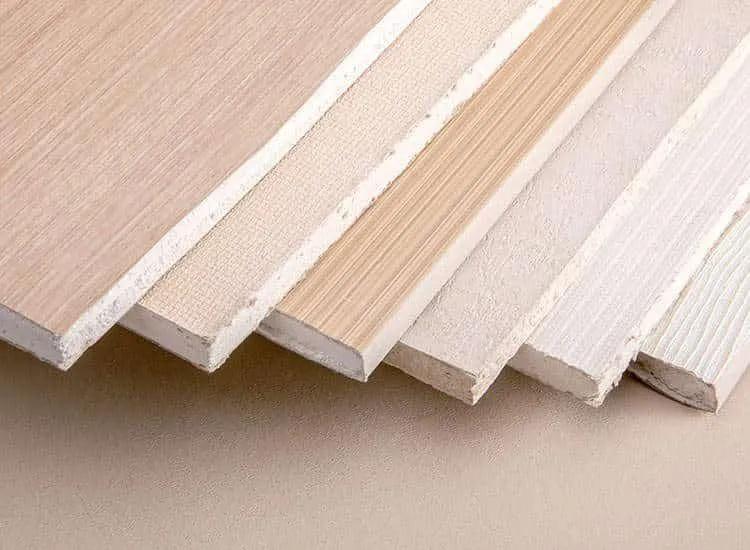
Load-bearing capacity is a parameter that determines the long-term safety of a surface to support weight. This factor directly affects the durability and structural performance of residential and commercial interiors. The majority of homeowners select materials based on their looks. However, strength and stability should be the final determinant. This is the reason why we need to understand the behavior of Plywood Sheets under pressure. The quality of material, bonding process, and internal structure is what determines reliability. Quality Plywood selection ensures that furniture, partitions, and flooring systems are safe even when in constant use.
What Load-Bearing Capacity Means:
The maximum weight that a panel can carry without bending, cracking, or structural failure is known as load-bearing capacity. This is measured in terms of thickness, core composition and direction of applied force. Well-constructed Plywood Sheets distribute stress evenly across layers. This multi-layered construction increases resistance to time-sagging. Homeowners reduce the risk of structural fatigue by investing in Quality Plywood. Stable panels do not wear out when they are subjected to the daily stress of furniture and stored items.
The Role of Layered Construction:
Plywood is strong due to its cross-laminated veneer structure. The layers are positioned perpendicular to one another, which enhances stability. This orientation prevents excessive expansion or contraction to environmental changes. High-grade Plywood Sheets are manufactured with uniform core layers that improve weight distribution. Load performance is also contributed to by the quality of adhesive bonding. When selecting Quality Plywood, the customers should consider the manufacturing standards that ensure high internal bonding. Frequent layering directly positively influences the bending resistance to sustained loads.
Thickness and Its Influence on Strength:
One of the key factors that defines the weight that a panel can support is the thickness. The heavier the panel, the less it deflects. Thickness is not the only issue of performance. The internal density and veneer grade also determine strength. Plywood Sheets are engineered appropriately to be thick enough and balanced in layering. This combination reduces the chances of structural deformation. The Quality Plywood will be selected to ensure that the thickness requirements are aligned with the actual load requirements. Effective selection removes unnecessary reinforcement and encourages long-term reliability.
Applications of Higher Load Capacity:
Certain applications demand greater structural performance. Flooring systems, modular kitchens, wardrobes, and office partitions must be capable of withstanding frequent pressure. The selection of Plywood Sheets is critical in such cases. The weight of heavy objects should not cause the shelving panels to bend. Proper internal bonding will ensure that the weight is evenly distributed. Contractors and homeowners who invest in Quality Plywood can be confident of quality performance in different interior applications. Stable panels do not creep under prolonged stress.
Environmental Factors and Structural Stability:
Humidity and temperature changes can influence material behaviour. Poorly constructed panels may swell or become weak when exposed to moisture. High grade Plywood Sheets are treated to resist the environment. Controlled manufacturing processes improve dimensional stability. When buying Quality Plywood, customers reduce the risk of warping or delamination. Even when the climate changes, stable panels retain the load-bearing capacity. This consistency protects the furniture frames and interior designs against gradual wear and tear over time.
Evaluating Strength Before Purchase:
Specification knowledge helps buyers make prudent decisions. The level of grade classification and density is usually a pointer of load bearing performance. Reliable manufacturers are explicit about intended use. Premium Plywood Sheets are tested to be structurally reliable. Buyers will be asked to assess weight tolerance against their use. The decision to use Quality Plywood based on trusted sources minimizes doubt. Quality documentation and testing requirements assure that panels are safe to use in residential and commercial settings.
Installation and Structural Support:
The strongest panel should be put in place. The loads are distributed according to the correct spacing of supports and fastening. Well-installed Plywood Sheets are more resistant to pressure. Structural alignment ensures that the weight is evenly distributed on the surface. Contractors working with Quality Plywood have the benefit of consistent panel strength and performance. Proper installation and quality material will enhance the durability and reduce the maintenance problems. Structural integrity is also dependent on the quality of the product and the correctness of the installation.
Long-Term Performance and Value:
The load-bearing capacity does not just influence immediate safety. It determines the permanence of interiors during years of use. Low-quality panels may have premature bending or cracking of the surface. Durable Plywood Sheets do not change their shape under repeated stress. Quality Plywood will save on repair costs and add long-term value. Stable materials are used to provide safer living conditions and stable furniture systems. The power of the present shuns structural concession of the future.
A Reliable Verdict on Structural Confidence:
The awareness of load-bearing capacity helps homeowners to look beyond the surface appearance. Strength, stability, and internal construction are the features of lasting performance. Plywood Sheets are selected with care to support daily activities without visible strain. Quality Plywood is always manufactured to offer dependable load distribution in residential and commercial interiors. CenturyPly offers high-performance panels in terms of durability and structural integrity to customers who need long-lasting and structurally sound solutions. Thoughtful selection of materials gives an impression of reliability that everything in the interior is firmly rooted.