

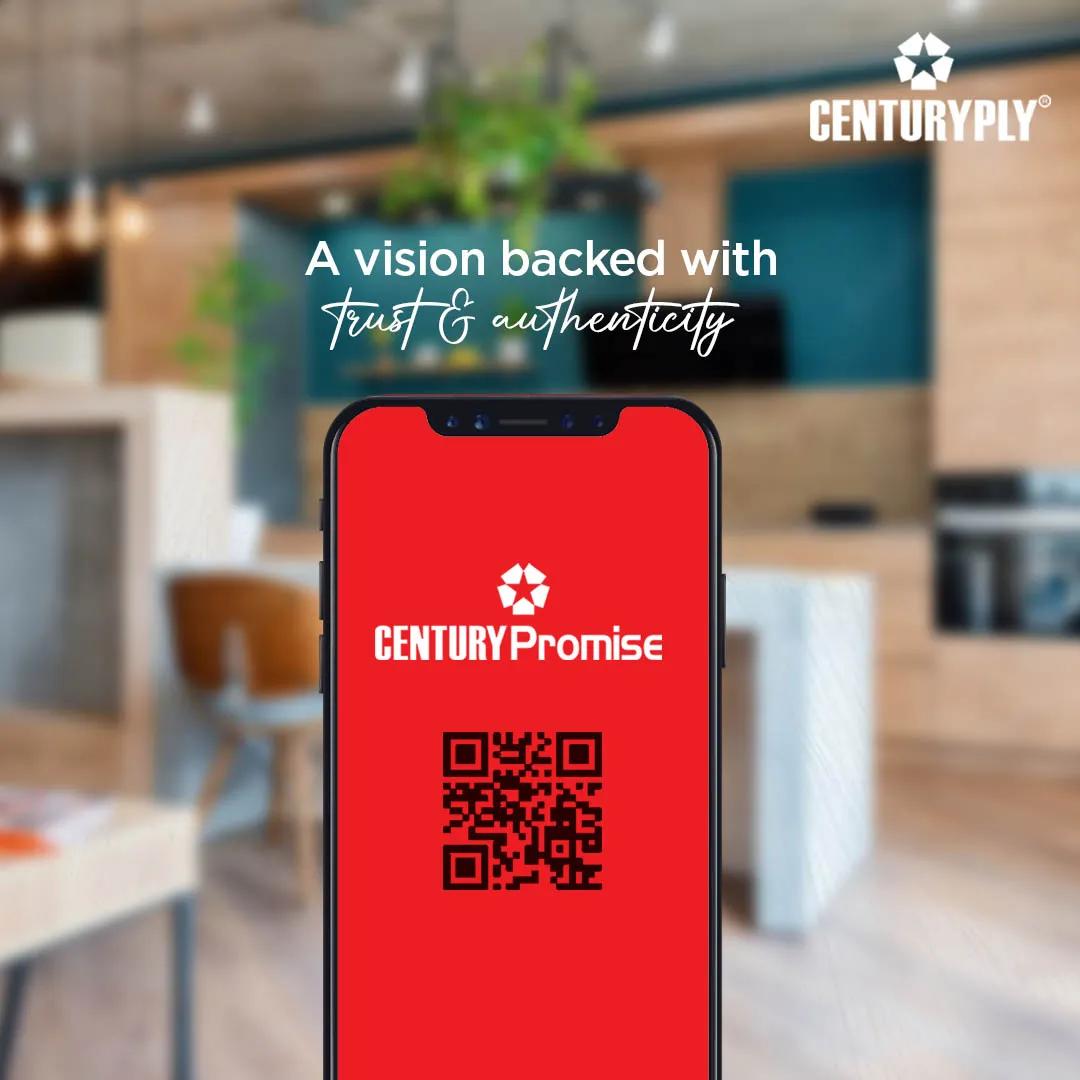
Purchasing plywood is not a hasty choice. It typically finances long-term interior projects like wardrobes, kitchens and structural furniture. Nevertheless, a significant number of buyers continue to buy sheets without checking. This brings about confusion regarding the origin and quality of products. The CenturyPromise App was launched to eliminate that uncertainty. It provides customers with a systematic means of Checking Plywood Authenticity prior to installation.
In cases where verification is not done, the risk is transferred to the buyer. Unverified purchases are usually based on dealer assurance. Such a strategy creates a possibility of confusion regarding manufacturing standards and product traceability. The distinction between verified and non-verified plywood is seen over time.
Disclosure at the Time of Purchase:
The initial important distinction is transparency. Verified purchases enable customers to verify product details on their own. The CenturyPromise App enables users to scan and validate sheets instantly. This will enable buyers to Check Plywood Authenticity without necessarily relying on external assertions.
Non-verified purchases, on the other hand, rely on trust. The transaction is not digitally confirmed. Customers can be given material that looks authentic but is not verified. In the long run, this ambiguity can cause issues of reliability and stability.
Confirmation enhances clarity at the outset.
Guard against Counterfeit Material:
In competitive markets, counterfeit plywood is still an issue. Counterfeit sheets are usually similar to branded products in appearance. Nonetheless, internal quality standards can vary greatly. The CenturyPromise App assists users in recognising authentic sheets through a systematic validation procedure. This minimises exposure to false substitutes.
By failing to Check Plywood Authenticity, buyers are likely to install materials that fail to meet the expected standards. Fraudulent sheets can undermine strength and durability. Replacement is expensive and inconvenient once installed.
Checking serves as a precautionary measure before it is too late.
Accountability and Digital Record:
The other obvious difference is in accountability. Authenticated purchases generate an online history that links the consumer to the product. The CenturyPromise App helps to validate this record with the help of its validation system. It makes sure that customers are able to Check Plywood Authenticity and have a record to refer to in future.
Unverified purchases are not documented. In case of problems in the future, it might be hard to prove the origin of products. In the absence of validation, there is limited communication between the customer and the manufacturer. A certified procedure guarantees traceability and enhances trust in the buying decision.
Responsibility is strengthened throughout the supply chain through documentation.
Long Term Confidence in Installation:
Plywood is used to support interior structures. When installed, it is incorporated into the structure that binds furniture. The use of unverified material creates doubt regarding performance. The CenturyPromise App enables buyers to verify quality prior to the commencement of carpentry. This is done to enable them to check plywood authenticity.
Installers can work with half-baked confidence when authenticity is not clear. When defects are detected later, the cost of repair is high. Authenticated purchases generate a sense of security that goes beyond the installation day.
Trust in material has a direct impact on trust in craftsmanship.
Consumer Awareness and Empowerment:
Contemporary consumers like to make informed choices. They desire instruments that enable them to be actively involved in product verification. The CenturyPromise App puts this control in the hands of the customer. Through a simple process, users can Check Plywood Authenticity without technical complexity.
This involvement is restricted by non-verified purchases. Customers are still left at the mercy of oral promises or printed labels. This strategy is not in line with the changing demands in the modern market. Empowered customers value systems that prioritise transparency and clarity.
Verification transforms a passive purchase into an informed decision.
Reducing Risk in High-Value Projects:
Interior projects are usually associated with a lot of financial investment. The use of plywood without verification exposes one to unwarranted risk. The CenturyPromise App offers a systematic level of assurance prior to full investment. It promotes Check Plywood Authenticity as a responsible planning.
Once authenticity is established at the initial stage, chances of future conflicts are minimised. Authenticated purchases facilitate easier project implementation and stable performance. Conversely, unverified materials can bring unnecessary ambiguity to well-thought-out interiors.
The process of risk management starts at the stage of material selection.
A Distinctive Mark of Responsible Buyers:
The distinction between verified and non-verified plywood purchases is in clarity, accountability and confidence. The CenturyPromise App allows customers to check sheets prior to installation. It makes sure that buyers are able to Check Plywood Authenticity using a trusted system and not guessing.
Unverified purchases might seem convenient at first, but they are not organised with guarantees. Authenticated purchases generate lasting comfort and verifiable records. CenturyPromise by CenturyPly offers a clear route to informed choices to homeowners and professionals who want to rely on reliable materials.