

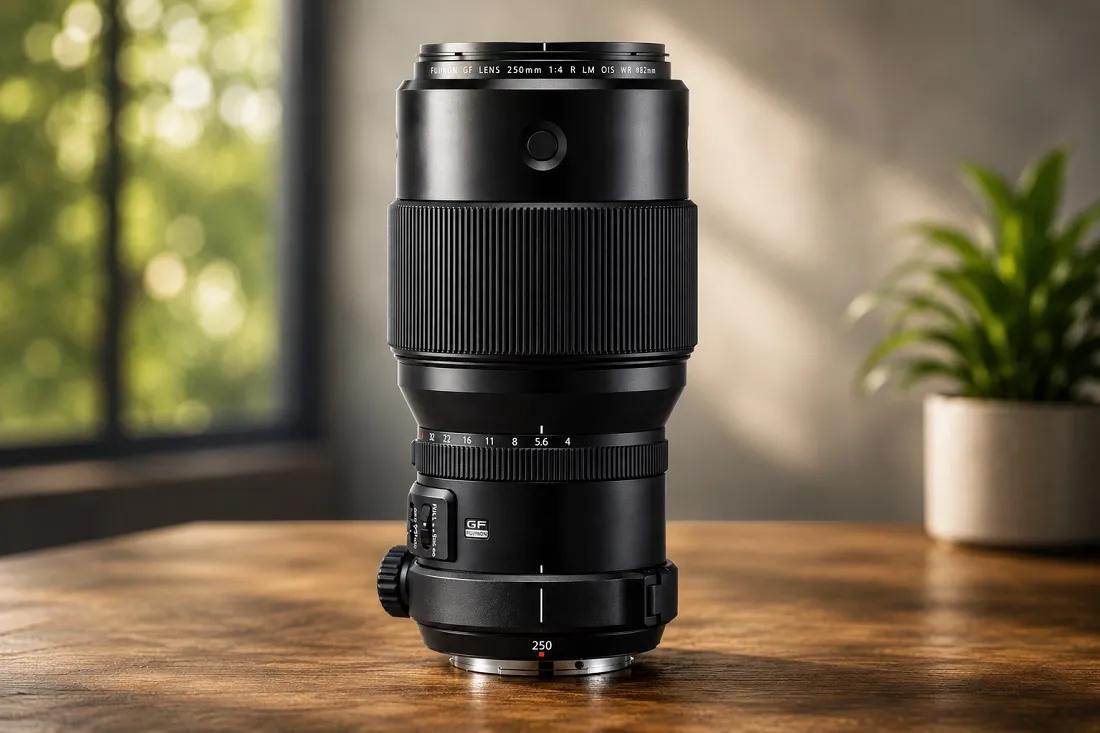
Photography has evolved significantly over the years, offering creators a wide range of tools to capture moments with precision and creativity. Among these tools, lenses play a defining role in shaping how images are composed and perceived. One of the most versatile options available to photographers today is zoom lenses, which provide flexibility and convenience across a variety of shooting scenarios.
Whether you are a beginner exploring photography or an experienced creator refining your craft, understanding how zoom lenses work and how their focal range affects performance is essential. This guide will walk you through the fundamentals to help you make informed decisions and improve your overall photography experience.
What Are Zoom Lenses?
Zoom lenses are designed to offer variable focal lengths within a single lens. Unlike prime lenses, which have a fixed focal length, these lenses allow you to zoom in and out without changing your position or switching equipment.
This flexibility makes them an ideal choice for photographers who need to adapt quickly to different scenes. Instead of carrying multiple lenses, you can rely on one lens to cover a range of perspectives.
How Focal Range Affects Performance
The focal range of a lens plays a crucial role in determining its performance across different scenarios. Here are some key aspects to consider:
Perspective and Composition
Shorter focal lengths provide a wider field of view, while longer focal lengths narrow the frame and magnify the subject. This allows photographers to experiment with composition and storytelling.
Depth of Field
Focal length also affects depth of field. Longer focal lengths typically create a shallower depth of field, making it easier to isolate subjects from the background.
Image Stability
As focal length increases, even small movements can cause blur. This is why image stabilization becomes more important in telephoto lenses.
Aperture and Its Impact
Aperture is another critical factor that influences lens performance. It determines how much light enters the lens and affects both exposure and depth of field.
Variable vs. Constant Aperture
Zoom lenses come in two main aperture types:
Variable aperture lenses: The maximum aperture changes as you zoom in or out (e.g., f/3.5–5.6).
Constant aperture lenses: The maximum aperture remains the same throughout the zoom range (e.g., f/2.8).
Constant-aperture lenses are generally preferred for professional use because they provide consistent performance and better low-light capabilities.
Optical Quality and Sharpness
Maintaining consistent image quality across the entire zoom range can be challenging, but modern lenses are engineered to deliver reliable performance at different focal lengths. High-quality zoom lenses are designed with advanced optics to reduce common issues that can affect image clarity.
Key aspects addressed include the following:
Distortion
Chromatic aberration
Softness at the edges
With continuous advancements in lens design and optical technology, today’s zoom lenses offer improved sharpness, better contrast, and more accurate color reproduction. This progress has made them highly capable, allowing photographers to achieve results that are comparable to prime lenses in many shooting situations.
Image Stabilization
Image stabilization is a valuable feature that reduces blur caused by camera shake. It is especially useful when shooting at longer focal lengths or in low-light conditions.
Many zoom lenses include built-in stabilization, while some rely on in-body stabilization provided by the camera. This feature enhances usability and improves overall image quality.
Build Quality and Durability
The construction of a lens affects its longevity and reliability. High-quality zoom lenses are often built with durable materials and may include weather sealing for protection against dust and moisture.
This makes them suitable for outdoor photography and challenging environments.
Portability and Convenience
One of the biggest advantages of zoom lenses is their convenience. Instead of carrying multiple lenses, you can rely on a single lens to cover a wide range of scenarios.
This makes them an essential part of many photographers’ camera accessories, particularly for travel and everyday use.
Comparing Zoom Lenses with Prime Lenses
While zoom lenses offer flexibility, it’s important to understand how they compare to prime lenses.
Advantages of Zoom Lenses
Versatility
Convenience
Reduced need for lens changes
Advantages of Prime Lenses
Better image quality
Wider apertures
Simpler design
Choosing between the two depends on your priorities and shooting style. Many photographers use both types to achieve the best results.
Choosing the Right Zoom Lens
Selecting the right lens involves considering several factors:
Purpose
Identify what you plan to shoot most often. Different focal ranges are suited for different types of photography.
Budget
Zoom lenses are available at various price points. Higher-end models typically offer better performance and build quality.
Compatibility
Ensure that the lens is compatible with your camera system. Different brands use different mounts.
Weight and Size
Consider how portable you need your setup to be. A lighter lens is easier to carry, especially during long shoots.
Maintenance and Care
Proper care is essential to ensure the longevity of your lens. Here are some tips:
Keep the lens clean and free from dust
Use protective filters
Store in a dry, safe place
Handle with care during use
Taking good care of your equipment ensures consistent performance over time.
Future Trends in Lens Technology
Advancements in technology continue to improve the performance of zoom lenses. Innovations include:
Improved optical designs
Enhanced autofocus systems
Better image stabilization
Lightweight materials
These developments make modern lenses more efficient and accessible to photographers at all levels.
Conclusion
Understanding zoom lenses and their focal range is essential for making the most of your photography equipment. Their versatility, convenience, and adaptability make them a valuable tool for capturing a wide variety of scenes.
From wide-angle landscapes to distant wildlife, zoom lenses provide the flexibility needed to handle different situations with ease. As an important part of modern camera accessories, they continue to evolve, offering improved performance and greater creative possibilities.